Basement excavation and structural works in London
Basement excavation, temporary works and permanent structures for London new-build and retrofit projects, coordinated with waterproofing and fit-out.
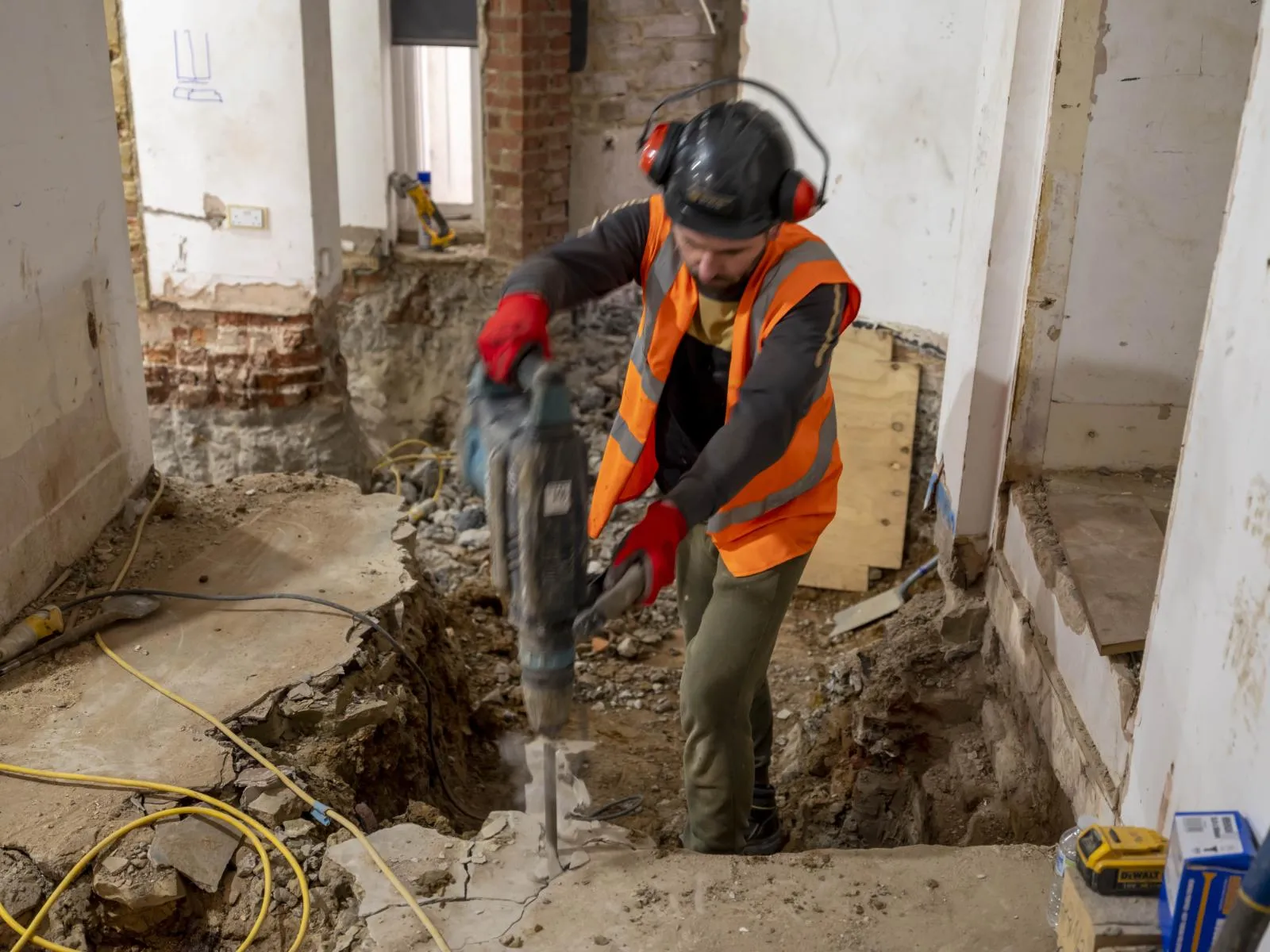
Basement work brings excavation, existing structures, temporary support and multiple trades into a confined working area. We plan and manage the work within our construction package around those risks, with clear responsibilities across the project team.
Discuss your projectThe sequence must address the structure being supported, changes in ground conditions, buried services, water entering the excavation and the movement of people and materials. The temporary and permanent works need to function together as construction progresses.
Our construction method brings the design information into site operations. Excavation support requires competent inspection, including at the start of a shift and after events that could affect stability. A change in the conditions calls for assessment before the affected work proceeds.
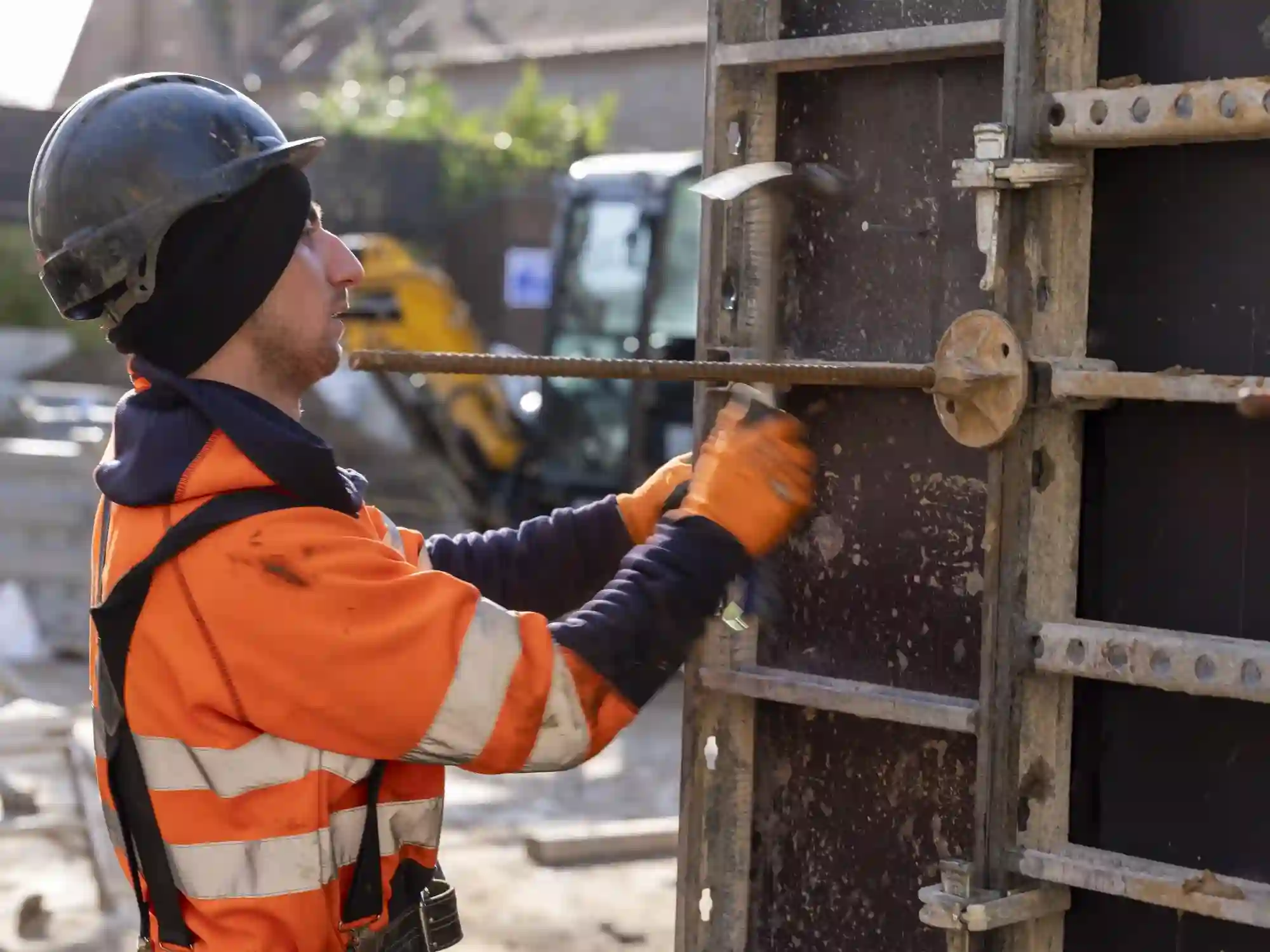
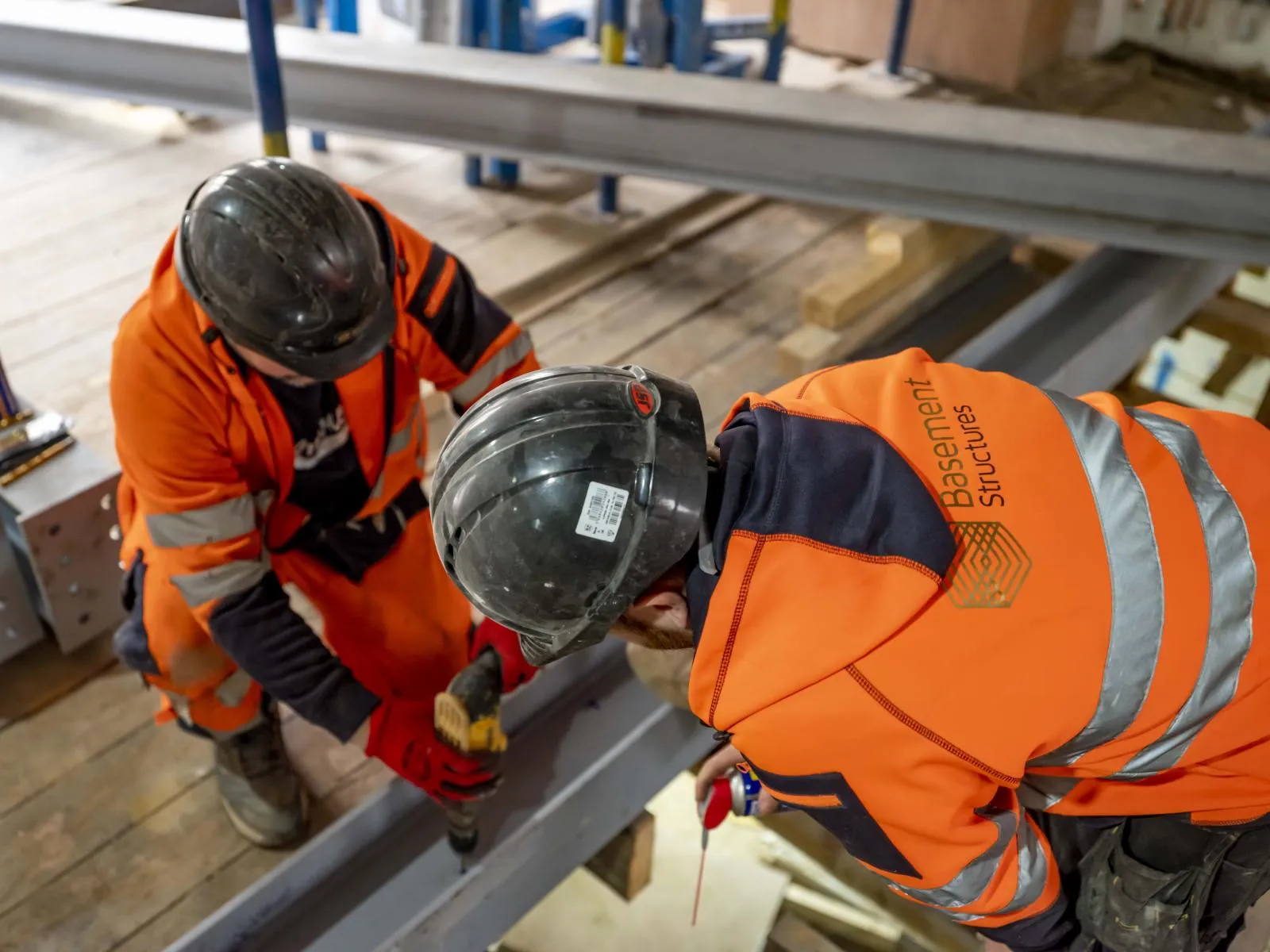
Under the Construction (Design and Management) Regulations 2015, contractors manage the health and safety of work under their control. On projects involving more than one contractor, the principal designer manages health and safety during the pre-construction phase and the principal contractor manages the construction phase.
The project appointments identify the organisations responsible for each role and the scope Basement Structures undertakes. These responsibilities are established alongside the construction contract.
The site arrangements need to address safe access, separation from occupants and the public, welfare, emergency arrangements and cooperation between trades. The construction phase plan turns the project's risks and management arrangements into a working plan before construction begins.
We connect the basement sequence with the information and controls relevant to our package, including the interfaces between excavation, waterproofing, building services and fit-out. Changes are reviewed with the responsible designers and contractors.
Building Regulations also use the titles principal designer and principal contractor, but those roles concern compliance of the design and building work. CDM concerns construction health and safety. The same organisation can perform both sets of roles where competent and appropriately appointed; one appointment should not be assumed to cover both.
For a design-and-build appointment, record the relevant statutory roles alongside the design and construction scope. Send your project details with the proposed appointments and current design stage.
Yes, where construction work is carried out on the homeowner's behalf. Domestic client duties normally pass to the contractor on a single-contractor project, or the principal contractor where there is more than one contractor.
A principal designer can agree in writing to take on the domestic client's duties. The agreement and the project's other responsibilities need to be clear; appointing an architect alone does not establish that arrangement.
The test concerns the purpose of the work. A project carried out as part of a business falls within commercial client duties, even if the finished building is a house.
No. A construction phase plan is required before the construction phase starts. Its detail should suit the project; on a single-contractor job, preparation is the contractor's responsibility.
No. Each contractor must manage the work under its control and cooperate with the wider project arrangements. The principal contractor's coordinating role does not remove those responsibilities.
Basement excavation, temporary works and permanent structures for London new-build and retrofit projects, coordinated with waterproofing and fit-out.
Basement construction logistics for London sites, covering spoil removal, deliveries, access, working arrangements and the effects on neighbouring properties.
Coordinate your London basement programme, design decisions, changes and handover. Practical project management for homeowners and professional teams.